


Introduction
Technology isn’t just confined to your pocket anymore; it’s stretching around your wrist, sitting on your nose and monitoring your heart while you sleep; wearable tech has gone from novelty to necessity in the last 10 years, with no signs of slowing down.
People use wearable technology every day to monitor their steps, keep track of chronic conditions, stay connected and pay for groceries. The market for global wearables is projected to reach over $150 billion by 2026 as a result of increasing health consciousness, smarter sensors and deeper integration of AI.
In this guide, you’ll find everything you need to know about wearable technology, including its definition and where it’s headed next.
What is Wearable Technology?
Wearable technology is a category of smart electronic devices that are meant to be worn on the body, which may collect data, provide information, and perform functions intended to improve health/fitness or make daily life more convenient.
Unlike traditional gadgets, wearable technology will stay on your person. This allows them to work behind the scenes, such as collecting biometric data, alerting you to your health status and sending you data via your smartphone or a cloud platform (examples of this include a smartwatch counting exercise and providing notifications regarding your activity, a glucose monitor providing information regarding your blood sugar levels, or smart glasses displaying navigation instructions).
The key difference from regular electronics is the personal, continuous connection they maintain with the user.
How Wearable Technology Works
Most wearable devices share three core components that make them function seamlessly.
Sensors located in the heart of all wearables. Sensors, such as heart rate monitors, accelerometers, gyroscopes, Global Positioning System (GPS) chips, and others, collect raw data regarding either the body or the surrounding environment.
Connectivity transfers that data wirelessly. Most wearables use Bluetooth to sync to a phone. Other premium wearables utilize additional methods such as Wi-Fi and/or cellular networks to operate independently.
Data processing happens either on the device itself or through a companion app. Through the app, raw data generated by the sensor can be converted into meaningful and actionable insights, such as a sleep score, workout summary, or irregular heartbeat notification.
Together, these three elements make wearables both powerful and practical.
Types of Wearable Technology Devices
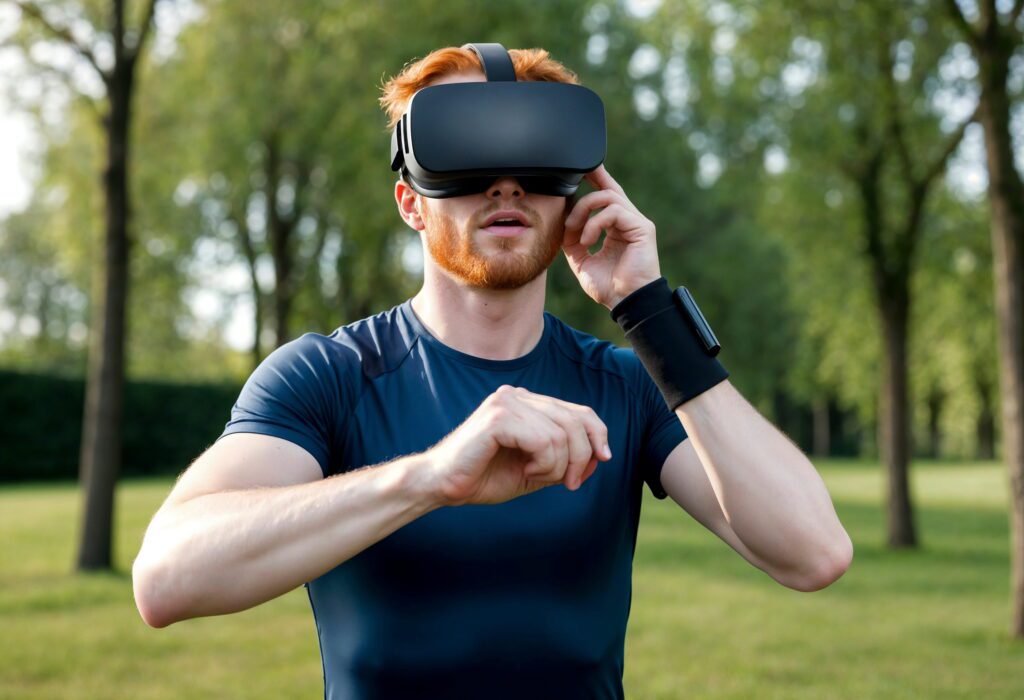
The wearable technology devices market covers a wide range of categories, each built for a specific purpose.
Smartwatches
The Apple Watch is the top-selling product in the Smartwatch market, which is now the most popular style of wearable devices globally. The Apple Watch provides users with continuous health monitoring, a way to manage notifications, fall detection, and the ability to take electrocardiograms (ECG). The Samsung Galaxy Watch and Google Pixel Watch are closely competing to become the leading smartwatches in the industry as well. All three of these devices have turned into your wrist’s command center.
Fitness Trackers
Fitness trackers focus on tracking how many steps you take, calories consumed, how long you sleep, and your heart rate. Fitbit was the first company to offer a fitness tracker that helps you better understand your health at an affordable price compared to full smartwatches.
Smart Glasses
Smart glasses overlay computer information onto the real world. Google Glass was the first smart glasses to be sold commercially, but now the Meta Ray-Ban smart glasses are bringing back the popularity of smart glasses. Nike and other sports companies also use smart glasses for their athletes to improve performance.
Wearable Health Devices
Wearable Health Devices include devices specifically designed for medical use, such as continuous glucose monitors (CGM), electrocardiogram (ECG) patches, pulse oximeters and smart rings. The Oura Ring and Abbott FreeStyle Libre are examples of devices that provide both patients and health-conscious individuals with accurate, clinical-quality information about their bodies at all times.
Wearable Technology in Healthcare
Wearable technology in healthcare represents one of the most transformative shifts in modern medicine. Doctors and hospitals no longer need patients in a clinic to monitor their condition.
Remote patient monitoring allows physicians to track vitals like blood pressure, oxygen levels, and heart rhythm from anywhere. This reduces hospital visits while improving the quality of care for elderly and chronic patients.
Chronic disease management benefits enormously from wearable health technology. Diabetic patients use CGMs to track glucose without finger pricks. Cardiac patients wear ECG monitors that send data directly to their care team. These tools reduce emergency events and improve long-term outcomes.
Post-surgical recovery is also improving. Smart patches monitor wound healing and flag complications before they become serious. Wearables are no longer optional in modern healthcare; they are becoming a standard part of patient care protocols.
Benefits of Wearable Technology
Wearable devices have practical benefits for everyday life.
Consumers can see how they perform at any given moment by checking their health status, their heart rate (resting), the quality of their sleep pattern, as well as when to reduce stress before it becomes major.
Fitness accountability improves when data is constant and visible. People move more, sleep better, and eat more intentionally when their wearable reflects their choices to them.
Convenience makes wearables genuinely useful. Contactless payments, turn-by-turn navigation, call management, and quick replies all happen without pulling out your phone.
Challenges of Wearable Technology
No technology comes without trade-offs, and wearables are no exception.
Privacy and data security remain the biggest concern. Wearables collect deeply personal health data, and breaches or third-party data sharing can expose sensitive information. Users must read privacy policies carefully and choose brands with strong security records.
Battery life still limits the experience. Most smartwatches need daily or every-other-day charging, which interrupts overnight health tracking.
Cost creates a barrier for many users. Premium wearables carry premium price tags, and the subscription fees for advanced health features can add up over time.
Latest Wearable Technology Trends (2026)
Wearable technology trends in 2026 point toward smarter, more health-focused, and deeply connected devices.
AI-powered wearables now do more than report data. They predict health events, personalize fitness plans, and alert users to anomalies before symptoms appear. AI is turning wearables from trackers into advisors.
Smart clothing is gaining serious traction. Shirts that monitor posture, socks that analyze running gait, and sports bras that track breathing rate are moving from research labs into retail.
Continuous health diagnostics are expanding. Blood pressure monitoring, blood glucose estimation without needles, and hydration tracking are features now arriving in consumer devices.
IoT integration means your wearable talks to your home, car, and workplace. A smartwatch that adjusts your thermostat when your temperature spikes, or silences your calendar when your stress levels peak, is no longer science fiction.
Future of Wearable Technology

The next wave of wearables is going to be much less like technology devices and will feel like part of our anatomy.
With advanced health diagnostics, we will see indications of certain diseases (e.g., atrial fibrillation, sleep apnea and even some cancers) before they occur by continuously monitoring these through AI-enabled technology that collects and assesses data over time. This transformation of these devices to support clinical use versus just as consumer-use products will lead to a move towards more clinical uses of the wearable devices.
The use of AR and VR will further dissolve the distinction between the real and the digital world. Using Smart Glasses as an example, we will have visual displays with navigation, translation, etc., that will overlay on our sight (vs. relying on our smartphone) and will feel much like we don’t even need a smartphone.
All wearables will work seamlessly with one another. Your watch, ring, glasses, and any other clothing will automatically communicate with each other in real time to provide you with a comprehensive review of your individual health and overall well-being without you needing to manually enter any information.
Conclusion
The advancement of wearables encompasses far more than tracking steps or using fitness bands. The entire ecosystem of wearables now includes complex devices that provide rich data and have tremendous application potential, impacting the way we live our lives every day while providing numerous opportunities for improving our overall well-being – be it through managing a health condition, enhancing athletic performance or remaining in contact with those we love. With the convergence of artificial intelligence, health care, and IoT providing new capabilities for wearable technologies, expect to see the next generation of smart wearables have the most significant effect on how we interact with our environment at all times.
Frequently Asked Questions
What is wearable technology? Wearable technologies are smart electronics that can be worn on the body and used to collect data, keep track of health metrics, and enhance daily life. Examples of wearable technologies today include smart watches, fitness trackers, and health monitors.
What are examples of wearable technology? Well-known wearable technology examples include the Apple Watch, Fitbit, Oura Ring, Google Glass, and continuous glucose monitoring devices such as Abbott’s FreeStyle Libre.
How is wearable technology used in healthcare? Wearable technologies provide remote monitoring of patients’ vital statistics, management of chronic diseases, support for post-surgical monitoring and communication by supplying real-time alerts and notifications to patient care teams, impacting the number of patient visits to emergency departments and outpatient clinics.
Are wearable devices safe? Wearable technologies are primarily regarded as being safe for daily use; however, the greatest risk is associated with data privacy. Consumers should select brands that have clearly defined data privacy policies and strong security requirements.
What is the future of wearable technology? The future of wearable technology appears to involve future applications of artificial intelligence to diagnose and monitor health conditions, blood can be monitored using technology with no needles, augmented reality can be used with wearables, and a smart ecosystem will allow various types of wearable technologies to work together automatically.
