






What Is a Dropshipping Business?
A dropshipping business lets you sell products online without holding any inventory. When a customer places an order from your store, you simply pay that supplier for the item, and they ship it directly to the customer. This way, you never touch the item being sold to your customer.
This model has gained popularity because it removes the largest barrier to entry for new businesses selling online: the cost of inventory. As global eCommerce continues to grow through 2026, the tools available for starting your own store on platforms such as Shopify make dropshipping one of the easiest business models to start, whether you’re a beginner or an experienced business owner.
This guide will explain everything you need to know about how to create your own dropshipping business, including start-up costs, finding products and how to make money with your online dropshipping store.
How Does Dropshipping Work? (Step-by-Step)
The process is straightforward once you understand the flow:
- A customer places an order on your online store
- You receive the order and forward it to your supplier
- The supplier packages and ships the product directly to the customer
- You collect the retail price and pay the supplier their wholesale price
- You keep the difference as profit
For example, you sell a phone stand for $29.99. Your supplier charges you $8. Your profit on that single order is roughly $21.99 before ad costs.
You act as the middleman, handling the storefront, marketing, and customer service while the supplier manages fulfilment.
Dropshipping Business Model Explained

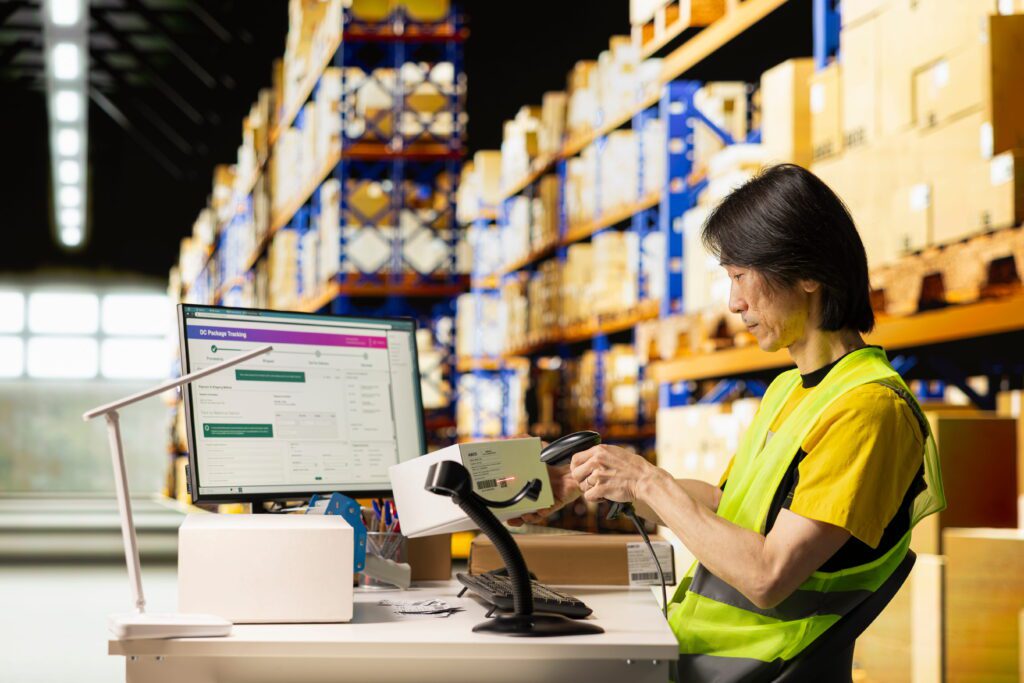
To sell in a traditional retail business model, you have to purchase inventory in bulk, pay to store items in a warehouse or stockroom, and set up proper logistics. With dropshipping, you create the brand, operate the store and generate website traffic; the supplier takes care of all the product physically.
The business model works because suppliers want volume. They give you wholesale pricing; you add your margin and sell at retail. No warehouse. No packing tape. No upfront stock risk.
Startup costs can be as low as $100 to $300 for a basic store setup compared to thousands for traditional retail. That low barrier is exactly why so many people start here.
Is Dropshipping a Good Business in 2026?
Yes, but with realistic expectations. The global dropshipping market continues to grow, and demand for niche products remains strong. The real shift in 2026 is that generic, low-quality stores struggle while branded, niche-focused stores thrive.
Competition exists, but it is not a reason to avoid the model. It is a reason to choose your niche carefully and build a store that looks and feels like a real brand, not just another AliExpress reseller.
Dropshippers generally make a profit margin of 15% to 40%, depending on which niche items they sell and how they price their items. The volume of product you sell, as well as your budget for paid advertising, will affect how quickly you build your dropship business.
Pros and Cons of a Dropshipping Business
Advantages
Low startup cost — You do not need to buy inventory before making a sale. A few hundred dollars gets you started.
No inventory management — You skip warehousing, packing, and shipping entirely.
Easy to scale — Adding new products or entering new markets requires no extra physical infrastructure.
Location independence — Run your business from anywhere with a laptop and internet connection.
Disadvantages
Lower profit margins — Wholesale prices from platforms like AliExpress leave thin margins, especially after ad spend.
High competition — Popular niches attract many sellers. Differentiation through branding matters more than ever.
Supplier dependency — Quality control and shipping times are out of your hands. A bad supplier damages your reputation.
Shipping delays — International shipping can take 2–4 weeks, which affects customer satisfaction and return rates.
How to Start a Dropshipping Business (Step-by-Step Guide)
Step 1: Choose a Niche
Identify a specific product category that has a proven track record of demand with low competition. Examples of very broad niches would include fitness or weight loss; instead, you would like to choose a narrow niche, such as seniors’ resistance bands. Use Google Trends and TikTok to check whether people are interested in your niche before investing in it.
Step 2: Research Products
Find visually appealing products, solve a specific problem and have a healthy profit margin. Typically, popular products are purchase impulse items with a price point of approximately $20-$80.
Step 3: Find Reliable Suppliers
There are many supplier resources available to help with dropshipping, like AliExpress, CJ Dropshipping or Zendrop. Whenever possible, you should order product samples before listing products. Make sure you check the ratings and response times of the suppliers you chose to ensure that your customers will receive their purchased items.
Step 4: Create Your Online Store
The easiest online store to set up is a Shopify store; WooCommerce is also another option, but for those who prefer using WordPress to set up their online store. Make sure you choose an aesthetically pleasing theme, write very persuasive product descriptions and create a professional checkout process.
Step 5: Set Your Pricing Strategy
Your price for each product needs to cover all your costs: the cost of the product, shipping, fees from the selling platform, and estimated ad spend; then add the amount of profit you would like to make on each product. In most cases, a markup of 2x to 3x will be appropriate from the cost price of the product for any niche.
Step 6: Launch and Market Your Store
Don’t procrastinate until it’s perfect! Launch your online store with 5 to 10 products and begin testing with Facebook or TikTok ads to determine what sells best! Use data to cut what does not work and scale what does.
Best Platforms for a Dropshipping Business
Shopify is the gold standard. Fast setup, hundreds of apps, and built-in payment processing make it the top choice for beginners and pros alike.
WooCommerce gives more flexibility and lower monthly costs, but requires more technical setup. Best if you already use WordPress.
AliExpress and CJ Dropshipping are supplier marketplaces, not storefronts, but they integrate directly with Shopify and WooCommerce to automate order fulfilment.
Amazon allows dropshipping under strict conditions. It offers massive reach, but tight rules and high competition make it harder for new sellers.
Best Dropshipping Business Ideas for 2026
Profitable niches right now include fitness and home workout equipment, tech gadgets and phone accessories, beauty and skincare tools, home improvement and organization products, pet accessories, and eco-friendly everyday products.
The ideal niche for you combines true demand, a well-describable product and a consistent supplier base.
How to Find Winning Products
Use tools like Minea, AdSpy, or TikTok’s own trending page to find products gaining traction before they peak. Look for items with high social engagement, rising search volume, and limited saturation in your target market.
Perform competitor research by using the Facebook Ads Library to discover how much other companies are investing in advertising their products. If competitors have been running the same advertisement for an extended period of time, then this indicates that there is a high probability of the items being successfully sold.
Dropshipping Business Costs (Startup Budget)
A realistic startup budget breaks down like this:
- Shopify plan: $39/month
- Domain name: $14/year
- App subscriptions (DSers, Loox, etc.): $20–$50/month
- Initial ad testing budget: $200–$500
- Product samples: $50–$100
Total minimum investment to launch and test: roughly $300 to $700. You can start leaner, but meaningful ad testing requires a budget.
Marketing Strategies That Actually Work
Facebook and Instagram Ads remain powerful for visual products. Start with broad audiences and let Meta’s algorithm find your buyers.
TikTok marketing drives viral discovery at a lower cost-per-click than Meta for many niches in 2026. Organic TikTok content can generate sales with zero ad spend.
Influencer marketing works well in beauty, fitness, and lifestyle niches. Micro-influencers with 10,000 to 100,000 followers often deliver better ROI than big names.
SEO for organic traffic takes time but builds a long-term asset. Optimised product pages and blog content generate free traffic that compounds over time.
Email marketing turns one-time buyers into repeat customers. Set up a welcome sequence and abandoned cart flow from day one.
Common Mistakes to Avoid
Choosing a niche based on personal interest rather than demand is the most common mistake. Skipping supplier vetting leads to complaints and refund requests. Ignoring marketing and expecting organic traffic to appear on a new store wastes time. Setting unrealistic profit expectations in the first 30 days leads most beginners to quit too early.
Tips to Succeed in Dropshipping

Build a real brand with consistent visuals, a unique store name, and product photos that look professional. Test new products in small batches before scaling your ad spend. Work with two or three suppliers for your top products to avoid stockouts. Review ad performance weekly and cut losing ad sets fast. Invest in customer service, fast replies reduce disputes and build trust.
Final Thoughts
Dropshipping in 2026 is not a get-rich-quick scheme; it never was. It is a legitimate business model that rewards those who treat it like a real business. Pick a focused niche, build a store that looks trustworthy, find reliable suppliers, and market consistently.
The entrepreneurs who succeed are not lucky. They test more, learn faster, and build brands instead of generic stores. Start small, stay consistent, and let data guide every decision you make.
Success in dropshipping depends entirely on strategy, not luck.
FAQs About Dropshipping Business
Is dropshipping legal? Yes, dropshipping is a legal business model worldwide. You must comply with consumer protection laws in your target market and avoid selling counterfeit goods.
Can you start with no money? Technically, you can start with no cash; however, you will need some budget for setting up an online store and for advertising. Dropshipping entirely without using money for advertising will be much slower than dropshipping using paid traffic.
How much profit can you make? As an entrepreneur running an e-commerce business, you can earn anywhere between five hundred dollars ($500) per month ($3,000) during the first twelve months if done properly, all depending on how much work you put into running the business. As experience and your online store are optimized better, earnings will exceed ten thousand dollars a month ($10,000 – Fifty thousand dollars+ [$50,000] monthly).
Is dropshipping saturated? It depends; The e-commerce industry is very competitive. Many niche-based e-commerce stores that have exceptional branding are still very profitable. Saturation affects poor-performing/disorganized drop ship stores, NOT distinctive brand names.
How long does it take to succeed? Most successful drop shippers will achieve their initial profits after completing the test of at least eight (8) to twelve (12) weeks of testing and analyzing their results. Your success will be determined primarily by how quickly you complete your tests and interpret your data.


