


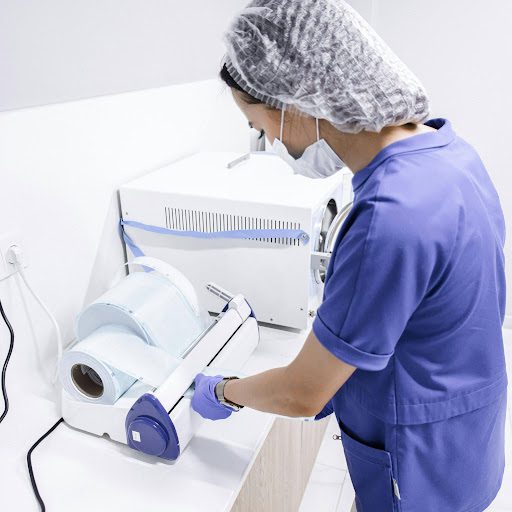
Introduction: Sterile the processing guide
The Relevance of the Career Today
In the current healthcare setting, the elements of safety and accuracy cannot be underestimated. The proper operation of every surgery and medical practice depends on the availability of sterile instruments that will do the job properly. Such tasks belong to specialists in sterile processing.
A sterile processing tech plays an important role in providing protection from potential infections. Healthcare facilities require such professionals’ assistance in maintaining high levels of hygiene. Given the growing demand for healthcare all around the globe, this career remains relevant and promising.
Key Takeaways
- A sterilization technician ensures that medical equipment is safe and sterile
- This profession plays a vital part in infection control in health institutions
- Certification is crucial in increasing employment opportunities and earning potential
- Educational prerequisites are easier than other medical professions
- Career advancement may include management positions and specialization
- What Are the Duties of a Sterile Processing Technician?
- The sterile processing technician oversees the cycle from the initial cleaning stage to the sterilisation process and storage of surgical instruments.
- Duties of a Sterile Processing Technician
- Cleaning and disinfection of surgical instruments
- Assessment of surgical tools for contamination and defects
- Sterilization of equipment through sterilizers
- Documenting sterilization cycles
- Preparation of surgical trays
Real Life Example
Think about an operating theater in a hospital where several operations need to be carried out one after the other. If the surgical instruments are not sterilized properly, the slightest infection can spread from one patient to another.
Skills for Sterile Processing Technicians
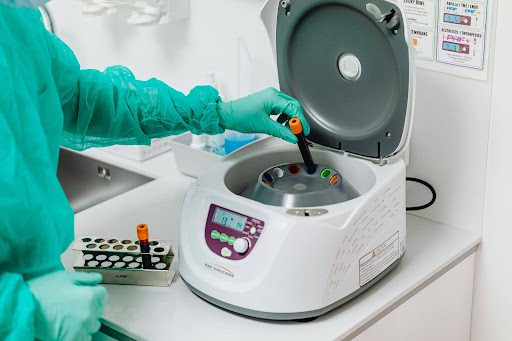
- In order to excel in this profession, one requires a combination of technical and soft skills.
- Technical Skills
- An understanding of sterilization methods
- Awareness of infection control procedures
- Operating skills for sterilization equipment
- Medical terminology
- Soft Skills
- Detail-oriented
- Time management skills
- Effective communication
- Problem solving
Educational and Certification Requirements
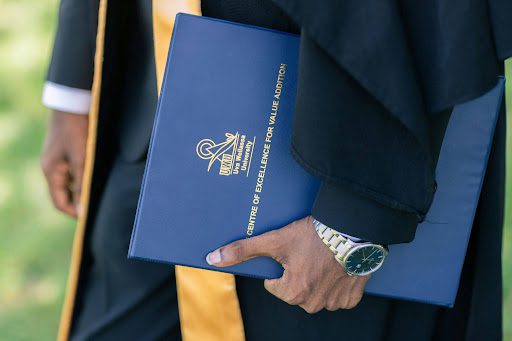
In contrast to many other professions within healthcare, becoming a sterile processing technician doesn’t involve spending years of time in school.
Basic Requirements
High school diploma or equivalent
Successfully completing a sterile processing course
Recommended Certifications
Certified Registered Central Service Technician (CRCST)
Certified Sterile Processing and Distribution Technician (CSPDT)
Having these credentials confirms your knowledge base and increases your employment opportunities greatly.
Life of a Sterile Processing Technician in a Day
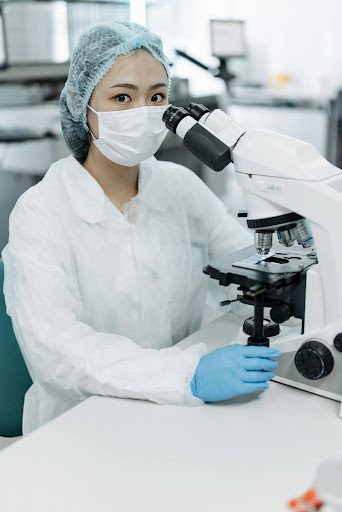
It can depend on the location; however, in general:
Reception of contaminated surgical equipment
Sterilization and cleaning of the devices
Packaging of equipment
Setting up trays for surgery
Documenting
Working Conditions
Hospitals
Surgeries
Dental offices
Ambulatory centers
The working conditions can be hectic, especially in big hospitals.
Salary Expectations and Job Outlook
Among the most significant benefits of working in this field include the job security that comes from the high demand for such workers.
Average Salary
Starting salary: $30,000-$40,000 per year
Medium salary: $40,000-$55,000 per year
Salary of experienced specialists: $55,000 and more
Career Progression
Based on industry data, healthcare support occupations will have a steady
Career Advancement Possibilities
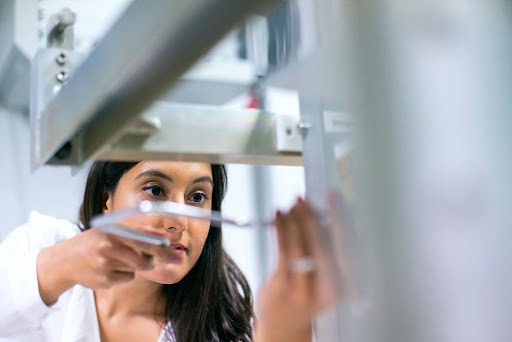
There is much more to this area than just starting positions.
Career Pathways
Lead technician
Managerial/Supervisory role
Infection control practitioner
Operating room technician
As you gain experience and earn more credentials, you can take up leadership roles.
Sterile Processing Tools & Technologies
Current sterile processing requires sophisticated technologies.
Common Equipment
- Autoclaves
- Ultrasonic cleaners
- Washer-disinfectors
- Sterilization tracking systems
Standard Equipment
Autoclaves
Ultrasonic cleaning machines
Washer-disinfectors
Monitoring systems for sterilization
Technology Integration
A number of medical centers have adopted software technology that is used to monitor sterilization procedures.
Challenges Within This Career
- Every profession has its own set of challenges, just like this one.
- Common Challenges
- Monotonous tasks
- Compliance
- Responsibility without much room for error
- Physical exertion, such as prolonged periods of standing
- Fortunately, for people who love perfectionism and purposeful work, these obstacles are not insurmountable.
What Makes This Professional Career Choice Desirable?
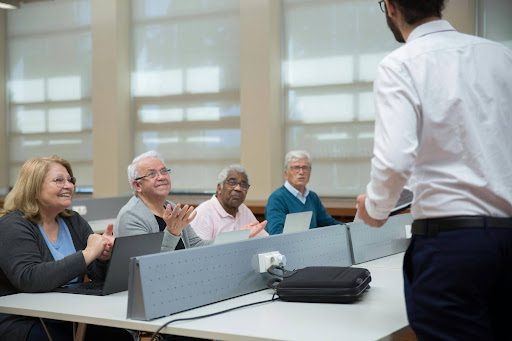
- There are multiple factors that make such a career option popular among many.
- Benefits
- Ease of access to the health care field
- In-demand jobs
- Making a difference possible
- Opportunities for career development
Selection of an appropriate training programme is important.
One may consider credible sources such as the following web page for guidance on training programmes and courses.
Moreover, authoritative websites such as Wikipedia offer essential information regarding sterilisation procedures and health care professions.
Real Case Study – Example of Success
A technician began their career with basic credentials and working at the lowest level within a hospital. However, after only five years, through diligent study and work experience, they have become a supervisor of technicians.
- How to Get Started Right Away
- Step by Step Instructions
- Learn about accredited training programs
- Enroll in a certification program
- Get practical training through internships
- Seek out entry-level jobs
- Keep learning and improving
FAQs on Sterile Processing Career
What does a sterile processing technician do?
They maintain all instruments used by doctors and nurses clean and sterilised before their usage.
Is certification necessary?
Not at all times, but it definitely increases your prospects in finding good jobs.
How long is the training process?
Training for the programme takes several months to complete.
Is it a stressful job?
Yes, it could be, but if you have enough training and experience, things will become easy for you.
Are there any career prospects in it?
Absolutely yes. There are ample prospects for growth in this field.
Conclusion: Does This Career Suit You?
Sterile processing provides one-of-a-kind responsibilities, security, and opportunities for growth in your career. As someone who is detail-orientated, likes being out of the spotlight, and wants to make a difference in patient safety, this may well suit you.
The low cost of entering the profession, coupled with high demand for jobs in this field, makes it ideal for those wishing to pursue careers in healthcare. With the proper education and commitment, you will be sure to have a successful career ahead of you.
