





Overview: Background on the World of Private Jet Aviation
Private jet aviation has long been connected with prestige, velocity, and adaptability. However, after the refined outside lies a complicated environment of advanced technology, rigorous rules, workflow planning, and continuous innovation. Inside private jet aviation, there is more than premium seats and high-quality service. This field signifies a highly focused segment of digital aviation where capability, security, and rights are important.
As global organizations travel growing and technology developments, private aviation continues in depth. From flight systems and aircraft management systems to durability efforts and digital transformation, private jet operations indicate broader changes happening across the aviation area.
What Defines Private Jet Aviation?


Private jet aviation refers to private air travel using privately held or rented airplanes. In contrast to business airlines, private jets operate on an adjustable timetable and enter thousands of airports worldwide, featuring smaller territorial airfields.
Key Characteristics:
• When required flight planning
• Modifiable paths and leaving times
• Smaller passenger capacity
• Improved operational management
Inside private jet aviation, these attributes require careful organization between aviators, send teams, repair teams, and air traffic administrators.
Aircraft technological backing Private Jets
Digital private jets are among the most technologically exacting aircraft in the sky. Fabricators continuously integrate and innovate to improve performance, safety, and fuel efficiency.
Mature Avionics data
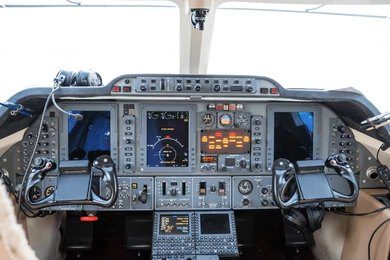
Glass cockpits command private aviation today. These modern flight decks routing navigation, conversation, weather data, and aircraft testing into Coordinated shows.
Common features include:
• artificial observation systems
• Real time weather radar
• Automated flight managed systems
• Boost situational guidance tools
These technologies help pilots make precise decisions, especially during sophisticated or long-haul operations.
Cabin engineering and Comfort Designs
While passengers’ comfort is sometimes showcased, cabin engineering also serves functional and safety goals. Noise reduction, cabin compression, and climate control systems are engineered to alleviate fatigue during flight.
Inside private jet aviation, cabin layouts vary dramatically depending on aircraft class:
• light jets prioritize efficient and short-haul travel
• Midsize jets balance comfort and range
• Heavy jets offer long-range obedient with advanced cabin zoning
Operational Planning and Flight Management Systems
One of the least observable yet most main experiences of private aviation is flight arranging. Unlike commercial airlines, private jet operators sometimes fly to airports with short time infrastructure.
Pre-Flight understandings:
• Weather of pattern analyzing
• Fuel arranging and alternatives
• native overflight permits
• Airport slot availability
• Crew duty restrictions
Inside private jet aviation, operational teams must forecast challenges before departure to assures seamless travel.
security standards and Regulatory error.
Despite common misconceptions, private jet aviation is governed by strict international and national safety regulations. Regulatory officials such as the FAA and EASA impose rigorous strict, managements, and pilot training levels.
Security steps Include:
• Daily aircraft reviews
• Mandatory pilot recurrent training
• standard level operating procedures
• continuously security audits
Private jet operators sometimes access minimum regulatory rules and regulations, because safety performance directly impacts operational reliability.
Pilot Training and experience
Private jet pilots undergo exhaustive training, sometime comparable to or exceeding airline standards. Many have prior experience in industrial or military aviation.
Training focused on:
• Aircraft specified systems
• Emergency reply situations
• Replicator-based expertise checks
• Human aspects and decision-making factor
Inside private jet aviation, pilot expertise plays an important role due to variations flight conditions and private routes.
The Economics aspects of Private Jet Aviation

An operational private jet adds Numerous costs beyond the aircraft purchased yourself. These costs verify depending upon aircraft size, speed, usage, and operational continent.
Major Cost Factors:
• Fuel and maintenance
• Crew salaries and training
• Hangar and parking fees
• Insurance and compliance
• Navigation and airport charges
Understanding these economics is important for evaluate the Suitability and Conservation of private aviation operations.
Environmental effected and Sustainability Efforts
Sustainability has become a critical focus across the aviation organization, including private aviation. While private jets represent a small fraction of total global flights, their environmental footprint remains under security.
Industry Responses:
• Adoption of Sustainable Aviation Fuel (SAF)
• More efficient engine designs
• light complex materials
• optimizations flight routing
Inside private jet aviation, conservation initiatives aim to balanced operational needs with environmental responsibility.
Private Jet Charter vs Ownership
Private aviation can be accessed through multiple models, each with distinct operational implications.
Usual Models:
• Full authorship
• Fractional authorship
• Jets card
• On demand chartered
Inside private jet aviation, the choose between authorships and charter depends upon usable serials, cost bear, and operational preference rather than elegance alone.
Global Trends Shaping Private Jet Aviation
The private aviation landscape continues to evolve due to economic shifts, technology adoption, and changing travel behavior.
Challenges face the organizations
Despite growing, private jet aviation faces ongoing challenges that requirements precious arranging and innovative.
Key Challenges:
• increases in fuel and operational costs
• Regulatory complexity across continent
• social anxiety
• Infrastructure restrictions at smaller air jets
Addressing these issues requires connected between manufacturer, operator, and regulator.
Final thoughts
Private jet aviation presentations a sophisticated intersection of technological, operational, and human experience. Beyond the displays comfort and adaptability lies a highly regulated and continuously evolving industry. By testing’s inside private jet aviation, it began to clear that digital private fly is driven as much by innovations and security as it is by convenient.
As aviation technology advances and sustainability becomes width important, private jet operations will continue to depth—reflecting broader changes across the global aviation ecosystem.