


Introduction
We now live in a time when virtual reality has transitioned from science fiction to a practical application; millions of people use VR for many purposes today, including gaming, medicine, education, etc.
The global virtual reality market is growing rapidly; it is expected that by 2026, the market will exceed $100 billion. The depleted prices of hardware, faster internet connectivity and better software have contributed to the rapid growth of VR.
Whether you want to learn how VR works, what headset to buy or where VR is going in the future, this guide will provide you with everything you should know about virtual reality.
What is Virtual Reality?
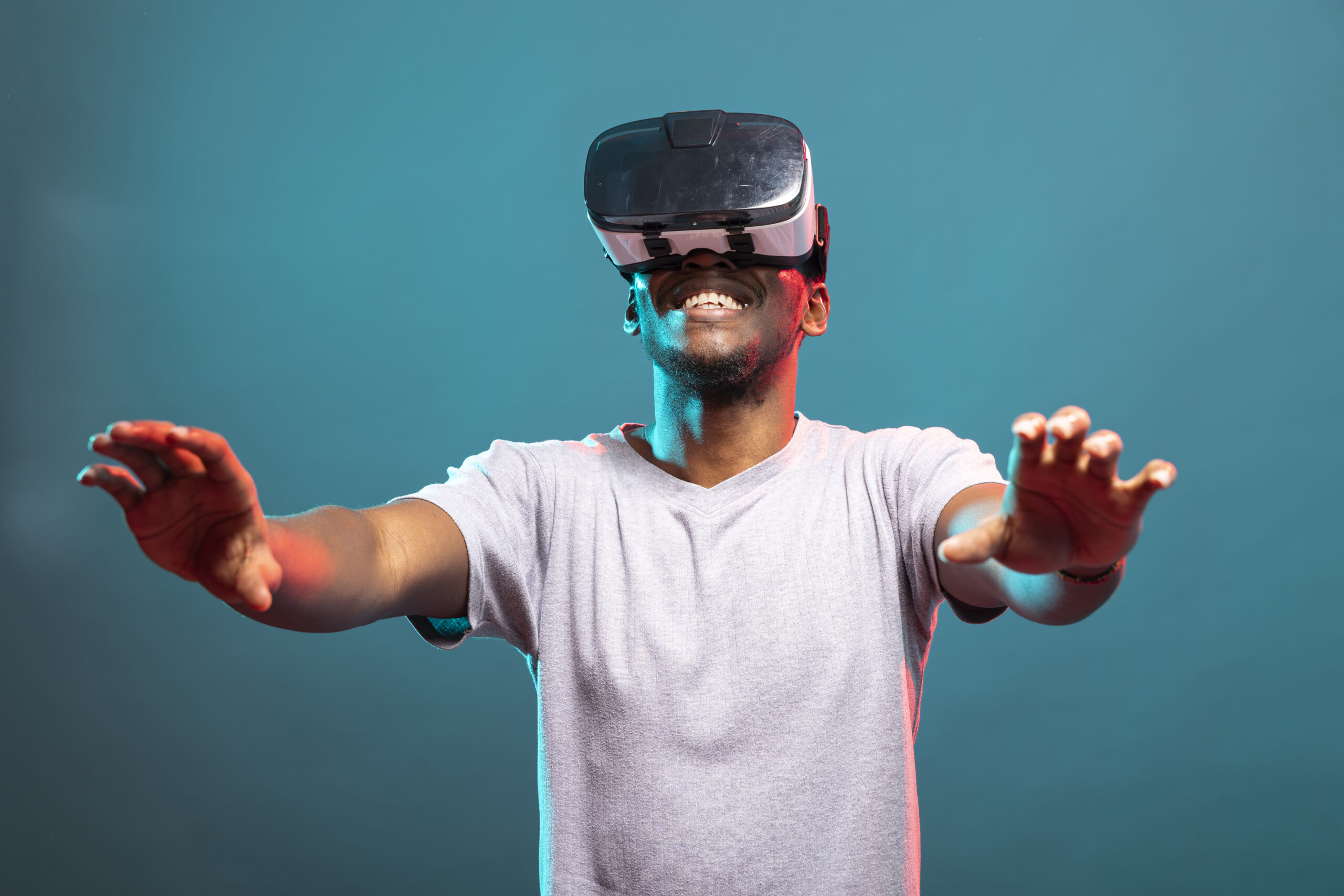
Virtual reality is an immersive experience that happens through a computer-generated simulation to put the user in a type of 3D immersive, interactive environment. Instead of just looking at a screen while using VR, you are fully surrounded by the environment you are simulating, making the experience more realistic than viewing a display.
To create an immersive virtual reality experience, you must use the appropriate types of hardware, such as a headset, motion sensors, and software, in combination. The result is that you no longer feel like you are just a visitor, as there is more of a feeling of being present than would be provided by a traditional display device.
How Virtual Reality Works
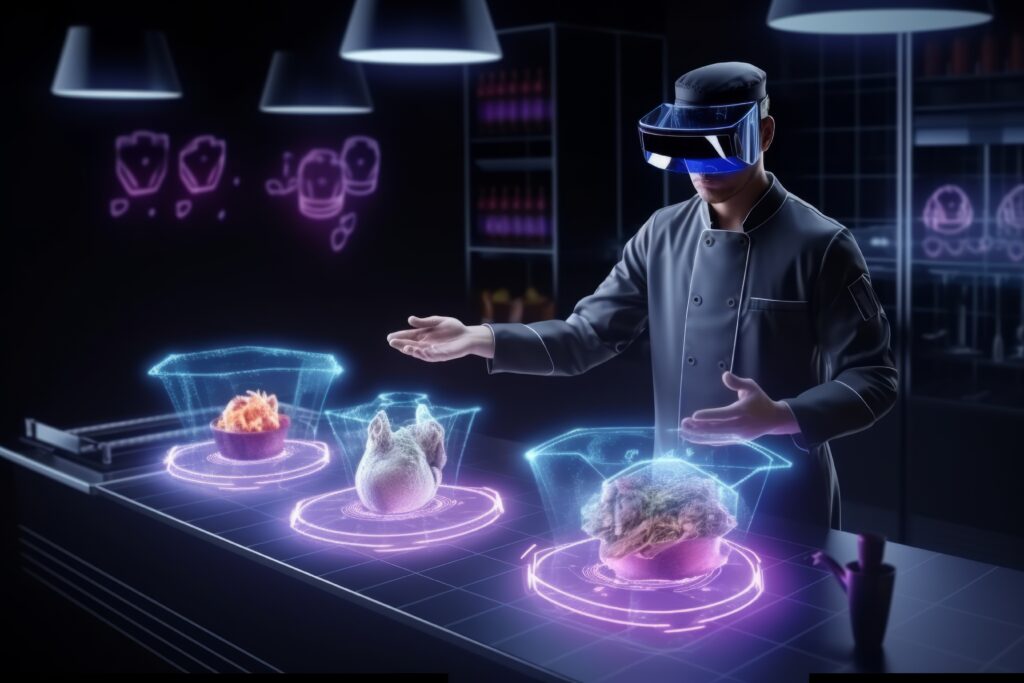
Three core components power every VR system.
VR Headsets give users the ability to see two pictures that are slightly different from each other, one for each eye and thus create a 3D effect. Modern VR headsets also have high refresh rates, which helps to reduce discomfort due to motion sickness since they react quickly to your movement.
Sensors and Tracking systems that keep track of the user’s head and hand movements in real-time. This allows a realistic response to your physical actions while you are within the virtual world.
Software Rendering creates the virtual environment and adds lighting, physics and spatial audio, which enhance the realism of the virtual environment. A more powerful processor will provide a more visually rich virtual environment than a less powerful processor.
Types of Virtual Reality
Non-Immersive VR
The most common type of VR is non-immersive (traditional) VR. Users can interact with an environment through the use of a monitor, computer mouse and/or keyboard. Many forms of video games and flight simulators use this type.
Semi-Immersive VR
Semi-immersive systems provide a greater sense of depth than traditional systems by using large screens, curved screens, or many monitors. Flight training laboratories and architectural visualization studios often use this type of VR.
Fully Immersive VR
Fully immersive (complete) VR gives the user a total sensory experience. Users wear a VR headset and use motion controllers; thus, every movement made in the physical world is also reflected in the virtual world. This is the most engaging and common form of VR today.
Virtual Reality Devices
Choosing the right virtual reality headset depends on your budget and use case.
Meta Quest 3 is by far the best option for a standalone device. Not only does it not require a PC, but it’s also inexpensive and comes with tons of content.
HTC Vive Pro 2 is designed for professional users & hardcore gamers. It has better visual quality than the other options and can track your movements in 3D when using a room scale (rather than just standing or sitting).
PlayStation VR2 provides high-quality virtual reality gaming to owners of a PlayStation 5 for a reasonable price (and is also compatible with the PS5 controller’s adaptive triggers and eye-tracking sensors).
Apple Vision Pro is a new approach to mixed reality technology that uses spatial computing – but at a high price.
All of these virtual reality devices have been designed to meet the needs of different people, from casual gamers to enterprise professionals.
Applications of Virtual Reality
Gaming
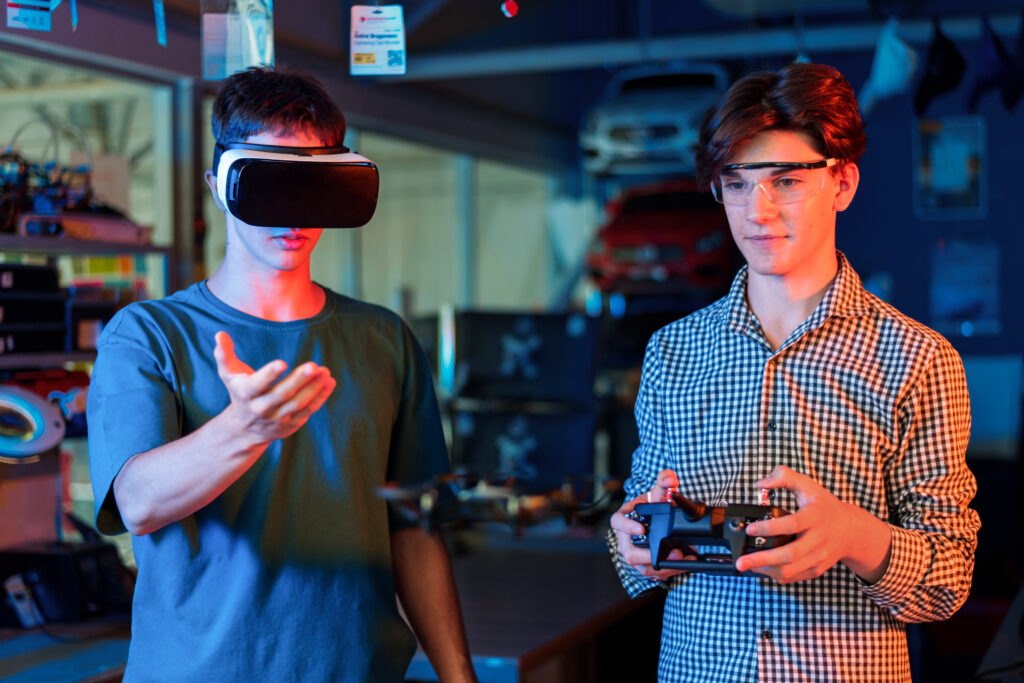
VR provides experiences that traditional forms of gaming have not been able to provide. Because the players physically move around and interact with objects in the virtual world through visual and audio stimuli, traditional methods of gaming do not compare. Examples of VR games which demonstrate the advancement of this medium are Beat Sabre and Half-Life: Alyx (Valve Corporation, 2020).
Healthcare
VR is being used to change how physicians are trained and how patients are treated. The ability for a surgeon to repetitively practice a complex procedure in a risk-free simulation allows them to become more proficient at the procedure prior to performing it on a live patient. Therapists can use VR as a tool to assist their patients in overcoming Post Traumatic Stress Disorder (PTSD), phobias, etc., and patients can utilize VR guided relaxation programs to help manage chronic pain.
Education
Virtual Reality allows students to experience ancient civilisations, dissect virtual organisms, and tour the solar system without leaving the classroom. This use of VR makes abstract concepts real and greatly increases how well students retain this information.
Real Estate
Property developers and agents can now provide virtual tours of homes before they are built, and for a buyer, they can tour many different properties in one visit, without travelling to each of them.
Training and Simulation
Many industries also use VR to train people who work in high-risk jobs (i.e. aviation & oil and gas) safely and will continue to use simulation-based training methods (e.g. military, fire, & emergency response).
Virtual Reality Experiences
Besides gaming, there are also many other types of VR experiences. Immersive historical tours of museums are an example. Travel companies offer VR tours of potential destinations before booking. Brands host virtual product launches and live concerts.
Simulation training is one of the fastest-growing virtual reality experiences in enterprise settings. Workers develop skills faster, make fewer errors, and transfer training to real environments more effectively.
Advantages of Virtual Reality
The hands-on & realistic nature of VR creates a much superior learning experience than just watching passively. The training is measurable & replicable. User engagement increases when users are engaged rather than simply observing.
VR is cost-effective for businesses by reducing the cost for employee training, reducing the risk associated with on-the-job injury, and reducing the time required for employees to achieve competency.
Challenges of VR Technology
High price is still the most significant challenge for regular consumers and small businesses. Premium headset systems typically require a considerable amount of money to develop an outstanding grade of hardware.
A portion of users will also experience (motion) sickness during rapid-moving VR activities (such as game play). Developers are working towards mitigating the effects of motion sickness by creating smoother frame rates and improving locomotion designs.
Current limitations in hardware (battery life, display resolution and processing power) will continue to limit what can be accomplished with a VR system in an untethered environment.
Future of Virtual Reality (2026 and Beyond)
AI will enhance the intelligence and responsiveness of VR worlds. Examples include the use of AI for NPCs, real-time translation, and automated game difficulty levels.
The evolution of the metaverse is creating an ongoing virtual space for business, socializing/entertainment, and commerce, and many large tech companies are investing billions into the metaverse’s infrastructure.
Technology will continue to progress as hardware becomes lighter and more capable; we will see headsets with lighter weights, longer battery life, greater resolution, and gloves capable of providing haptic feedback, making VR easier to integrate into our daily lives.
Virtual Reality vs Augmented Reality
Instead of a virtual version of real life, think about being completely immersed in a digital environment, including buildings and trees. While augmented reality adds digital information to your physical world, you are still able to see everything else around you.
Virtual reality is used for more immersive things like games, surgery practice, or treating fear. Augmented reality can be used to do real-world things like finding your way to an appointment, getting help when you need it and trying on clothes.
Eventually, both AR and VR will come together in mixed reality products such as the Apple Vision Pro to give you an opportunity to do both.
Conclusion
The use of virtual reality (VR) has transitioned from novelty to requirement in many industries, including gaming, healthcare, education, and enterprise training. With improvements in VR technology, such as improved hardware and software, as well as increased adoption of VR, we see rapid advancement in this industry.
As we see continued growth of artificial intelligence and metaverse technologies through 2026 and beyond, VR will continue to heavily influence how we experience our daily lives. Companies and people who embrace this new wave of technology early on will be well-prepared to take advantage of it in the future.
Frequently Asked Questions
What is virtual reality? Virtual reality is a technology that creates completely virtual, three-dimensional environments in which users can interact using a headset and motion controllers, resulting in a strong sense of being physically present in the virtual world.
What devices are used in VR? There are several popular VR devices available on the market, such as the Meta Quest 3, HTC Vive Pro 2, PlayStation VR2, and Apple Vision Pro. These devices are designed for various user types ranging from casual consumers to enterprise professionals.
What are examples of VR applications? Applications of VR are found in many areas, including video game play, training in healthcare, classroom education, real estate tours and workforce simulation. One of the fastest-growing application areas for VR is in healthcare.
Is virtual reality expensive? The cost of entry-level VR headsets such as the Meta Quest 3 will start around $499, making VR more accessible than in the past. The most expensive models will be sold to enterprise users at prices considerably higher than the Meta Quest 3.
What is the future of VR? The future of VR is a seamless integration of AI, the expansion of metaverse platforms and lighter, more advanced hardware. This means that by the year 2026, VR should be a mainstream device used by both consumer and corporate users around the world.
