


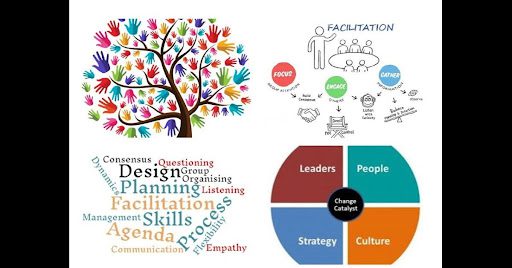
A facilitator is someone who channels a group toward action that is clear. Who Is a Facilitator When folks ask who is a facilitator, they want to know the guy that has made conversations easier and more productive. By intervening to clear the pathway, the facilitator helps groups function without misunderstandings. They are guiding, keeping the work on track and promoting an open conversation that feels safe for all.
A great facilitator will lead them to also share their ideas, without reservation. They whisper and promise quiet times. They can see when the group gets stuck and they push them. They bring order and confidence to any meeting or situation.
Key Responsibilities of a Facilitator
Every session is carefully curated by a moderator. They think about the material, the goals and the people in the room. They have cue cards that guide the course of a session. All that good preparation makes the group feel safe and equipped to discuss.
A moderator kindly takes us through the topic in session. They direct time, steer out of thorny moments and encourage clear thinking.” They want to help the group produce strong options. They do what’s needed to ensure the group communicates effectively and stays on task.
| Responsibility | How It Helps |
| Planning | Gives clear direction |
| Guiding discussion | Keeps the group on track |
| Managing time | Prevents long delays |
| Using a neutral tone | Builds trust |
Essential Skills Every Facilitator Needs

A facilitator is a great listener. What they do hear are words, tone and emotion. It is strong listening that lets them respond with kindness and clarity. They also picked simple words that invite tranquillity and structure. Having good clear speech is that people don’t have to wrestle with the ideas.
A good facilitator also models emotional equilibrium. They stay steady when staff members feel unsettled. They guide individuals to transform limiting beliefs that get in the way of success. They have patience and help people realize and become receptive to new ideas.
Types of Facilitators
Occasionally, some leaders run alongside teams in companies. They enable in group projects as well as enhance the team work. Who Is a Facilitator Those are the ones that explain difficult ideas. Their goal is to enable teams to feel confident about reaching decisions, and without confusion and conflict.
Other guides include facilitators who work in schools, creative groups or local communities. They allow people to tell stories and dream. They embrace emotional growth and the building of emotional or behavioural flexibility. This guidance can challenge us to become tougher and more compassionate.
Where Facilitators Work
It’s training rooms, it’s offices, it’s community halls and creative spaces. They do workshops for workers, for families, for teachers and all kinds of groups. Their work is now ubiquitous wherever people look for structure and support. They are coupling hard conversations, making them feel soft.
Some facilitators also work online. They conduct virtual sessions for employees as they work from home. They plan handouts, screens and questions that appear simple and straightforward. They are there and they make us feel close when we’re not.
How Someone Becomes a Facilitator
A new something-or-other starts with some training in the art of communication. They count themselves as students of the way people communicate, think and react. They are attempting to regain their confidence by opening in small clusters. The practice teaches patience, timing and empathy.
There are other, more advanced, facilitators who have been trained in behavior and leadership and emotional care. They are learning the same skills other people use to thrive and fulfill personal and professional goals. They, in turn, become potent mentors who assist others in shifting at depth.
Advantages when working with Facilitator
The facilitator gets back out groups playing without arguing. They’re playing nice, and clean and courteous. They are to help people start trying to untangle thoughts that may feel very knotted in place. All that clears a path to smooth decisions.
Facilitators also support emotional safety. People are willing to say what they really believe in their heart.” They allow trust to build slowly among a team. This trust yields better ideas and better outcomes.
How Facilitators Improve Group Outcomes
Facilitators add balance to group work. They make quiet people look brave and loud ones seem heard. They allow us time to ponder and reflect. This invites deeper insight.
Facilitators enable groups to address problems with calm, structured guidance. They are simple questions with easy responses that are supposed to open our mind. They allow people to transcend fear or chaos. This allows groups to set clear goals and also take pride in that work.”
They Build Consensus from within the Team
Facilitator creates a space in which people feel safe, honored and peaceful. They hear with patience, and guide discussions tenderly. It encourages people to open up, free from fear or judgment. Trust forms because everybody feels that they are both valued and understand each other.
Once that trust is in place the team can function with greater integrity and focus. People who express things they don’t even realize are in there. This makes for more transparency and better teamwork.” These strong trusts are the basis to be able to run fast.
They Keep the Group Focused on the Goal
Get to know one of these group movers and shakers. They recenter everybody when the conversation starts to meander. This simple advice, it ends up, saves time and spares energy. It also make things neat and tidy during the session.
Concentration is the method by which we are able to decide with assurance. No team loses its way, no one’s energy goes to waste. Everyone knows what they’re working toward. The outcome is slower process with stronger gains.
They Turn Conflict Into Good Talk .
A strong facilitator can sense the tension before it’s problematic. They request for cool, levelheaded fairness. This serves to cool feeling and clear confusion. The team feels helped rather than hounded.
It is made into a space of possibility, not conflict. You find out that people are all different, and you respect them more. This allows new solutions no one could have imagined before. A constructive conversation, instead of frustration and silence.
They Challenge Innovation, Fresh Thinking.TestTools Inspire
A coach is someone who asks questions that unlock the mind. They assist to think of new options, and embrace new ideas.” This encourages the group to push their thinking beyond what is typical. Creative ideation becomes diminished, and more gut-based.
The shyest members start to give new ideas if they are prompted. The group unsnags good ideas that get hung up in soft voices. This is the kind of variation in thinking that produces a more rich and robust solution. This feeds creativity because everyone feels as if they own a piece of it.
Facilitator’s Tools and Techniques
A facilitator uses notebooks, whiteboards, simple charts and friendly questions. These are lenses to help people literally see ideas, render them visible. They also help the group dissect that complex thought further. Items to keep the meeting on track and running smoothly.
Facilitators also employ reflection, storytelling and soft pauses. These are techniques that decelerate and make space in the mind something new. It’s the best way to encourage perspective in the group. It guides them toward clarity and good results.
| Tool | Purpose |
| Whiteboard | Shows ideas visually |
| Charts | Clarifies data |
| Notes | Keeps order |
| Reflection | Helps review progress and improve future actions |
Why Facilitators Stay Important
The world outside still moves quickly and people need space to think quietly. Facilitators help groups to slow down and become better acquainted. They adore straight talk and the easiest of easy steps. And their jobs are more essential even as life feels harsher.
The facilitators are trusted because they bring clarity. They help ideas flow without tension. They guide groups through change and help people grow as a collective. It’s this consistent backup that makes the job worthwhile in many locations.
FAQs
What does a facilitator do?
A host guides the group and keeps an adult atmosphere. They’re decision facilitators, not deciders themselves.
Are the roles of leading and facilitating effectively interchangeable?
Of course He doesn’t: facilitators, not authorities. Leaders lead to outcomes and take responsibility for their decisions.
Do facilitators need certification?
Certification is not required but adds credibility. USA and Canada schools Many of these institutions are available in the USA.
And where do facilitators work most often?
Among the places where dropout prevention specialists serve are businesses, schools and community organizations. Their work belongs wherever people are working together.
Can anyone become a facilitator?
Yes, by practicing and communication skills. Training programs can polish those skills.
Why do companies hire facilitators?
Their companies seek less abrasive meetings and stronger results. Stay on track and make progress with facilitators.
What makes a facilitator effective?
The most important of these include clarity, empathy and flexibility. These are traits that make groups feel supported and understood.
Conclusion
Who Is a Facilitator In each group, a facilitator has an unassuming but vital role. They teach people to feel safe, clear and focused. They ease basic conversation in a casual manner that helps avoid conflict. They give groups that are running well the ability to run more easily and with even greater assurance. More of us feel supported, more ideas get shared and problems get solved.
Having a sense of who the guy is (the leader, that is) provides some idea of how much they can bring to group life. They allow people to relate, develop and trust one another. They enable teams to work better toward goals and outcomes. They are there to bring order, calm and insight to every meeting.
