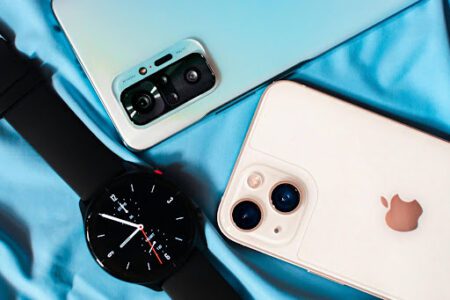





Your Home Is Getting Smarter
Smart home devices are no longer just a luxury; they have now become an affordable and practical update that millions of people’s households have added each year to help them save on electricity bills, provide extra security, or turn on their lights without having to get off the couch. Today, smart home technology has made these desires a reality.
The global smart home market has grown significantly, reaching $150 billion in 2020 and is on track to continue to grow rapidly. More people are automating everyday tasks than ever before, and smart home technology has become more affordable and easier to use than ever before. If you consider upgrading your home, now is the time!
What Are Smart Home Devices?
Smart home devices are connected to the Internet of Things (IoT), providing the ability to automate and control home systems such as lighting, security, HVAC, and entertainment systems. These smart home devices connect to your home’s Wi-Fi and can be easily controlled from your mobile app or through voice commands, allowing you to operate your home no matter where you are in the world.
These smart devices can be as simple as a smart light bulb or as complex as a smart home automation system that can control everything in your house with one touch.
How Smart Home Technology Works
IoT, or IoT (Internet of Things), enables the connection of physical objects to the internet, allowing them to gather and send data in real time. An example of this capability is a smart thermostat which automatically sets the temperature according to your schedule.
Most home automation devices utilize 3 common connection methods to perform: mobile application for remote control and access, voice command systems such as Amazon Alexa/Google Assistant, and automation routines which activate based upon time, location or data from sensors.
Both Alexa & Google Assistant have become the ‘control centers’ for millions of Smart Homes, where you can verbally request control of lighting, locking/unlocking doors, and checking who is at the front door without needing to touch any controls.
Types of Smart Home Devices

Smart Speakers
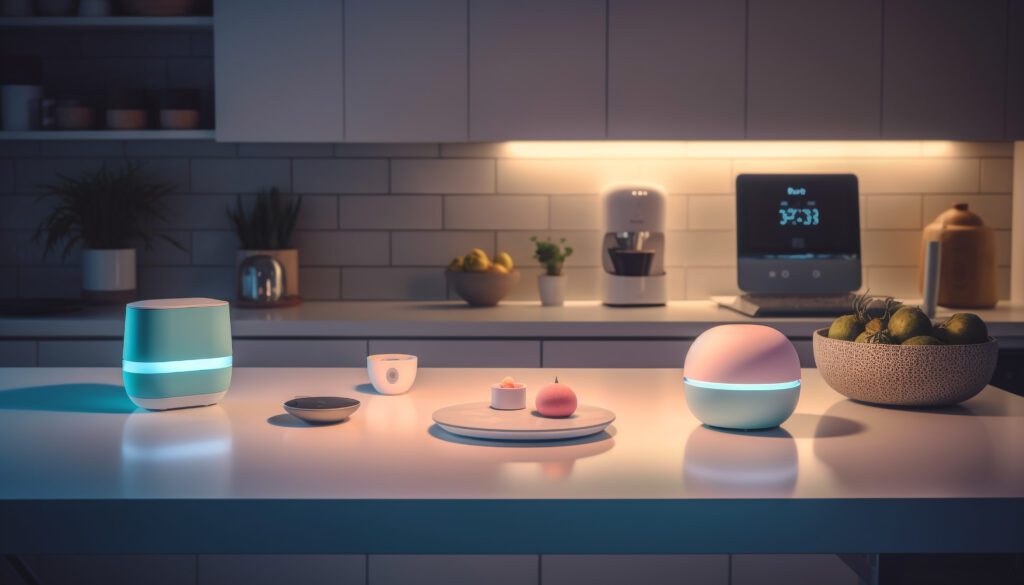
Smart speakers such as Amazon Echo are the most popular way for people to begin automating their homes. These devices will provide music, answer questions, control other devices in your home and help you manage your daily schedule. The Echo device connects seamlessly to all other devices from manufacturers that are compatible with Alexa in your home.
Smart Lights
Philips Hue is the leading brand for smart lighting solutions, including light bulbs and light strips that can change colors, turn dim on a set schedule and be controlled with voice commands. Smart lighting saves energy while at the same time setting the mood for all of your activities, whether in your kitchen for dinner or relaxing on the couch for movie night.
Smart Security Devices
Smart security devices keep you updated in real-time regarding your home. With smart security cameras, smart doorbells, and motion detectors, you will receive alerts immediately when the device sees something suspicious. You can monitor your home from anywhere using your smartphone – whether at work or on vacation.
Smart Thermostats
Smart thermostats learn your daily routine and will automatically adjust the heating and air conditioning to match your lifestyle. They can save a considerable amount of energy by optimizing the heating and cooling systems, with some models estimating savings of up to 23% on your heating bills in the first year of use.
Smart Appliances
Smart TVs, smart refrigerators, smart washing machines and smart ovens are now part of your home network. For example, your smart refrigerator will keep track of when food is about to expire, and your smart TV will learn about what types of programming you typically watch and will provide weekend event suggestions.
Best Smart Home Devices in 2026
These are the best smart home devices worth investing in this year:
Amazon Echo (5th Generation) continues to be the top smart speaker choice for Alexa users – it has quality sound, works seamlessly with thousands of compatible devices, and is available for less than $100.
Google Nest Hub (2nd Generation) is the best smart speaker option for Google Assistant users, providing a unique touch screen for displaying recipes, making video calls, and controlling all connected smart home devices in one place.
Ring Video Doorbell Pro 2 will be the leader in smart home security systems, providing users with 3D motion detection capabilities, high-resolution video quality, and an instantaneous alert to a mobile phone upon detecting motion.
Philips Hue Starter Kit provides you total control of the smart lighting in your house with over a billion different colors and scheduling capabilities, and is compatible with all 4 major smart home platforms (Alexa, Google Assistant, and Apple HomeKit – soon available).
All four devices deliver high value and work reliably within their respective ecosystems.
Benefits of Smart Home Devices
Convenience tops the list. You control everything from a single app or voice command. Energy efficiency follows closely, since smart thermostats and lights reduce unnecessary consumption. Security improves dramatically with cameras, motion alerts, and smart locks. Remote access means you manage your home from anywhere, at any time.
Challenges of Smart Home Devices
Barriers may be present at first because of the cost, but many prices have decreased. Personal privacy is another major concern due to the data collected by these products regarding how people use their devices. Additionally, many of the devices won’t work unless they are connected to the internet. By addressing these issues first, you will have the necessary information to properly set up your smart home from the very beginning.
How to Choose Smart Home Devices
Start by picking an ecosystem. Amazon Alexa, Google Home, and Apple HomeKit each offer different strengths. Alexa has the widest device compatibility. Google Home integrates better with Android. Apple HomeKit offers the strongest privacy controls.
Check compatibility before buying. Make sure new devices work with what you already own. Set a budget and prioritize devices that solve your biggest daily friction points, whether that is security, energy use, or convenience.
The Future of Smart Home Technology in 2026

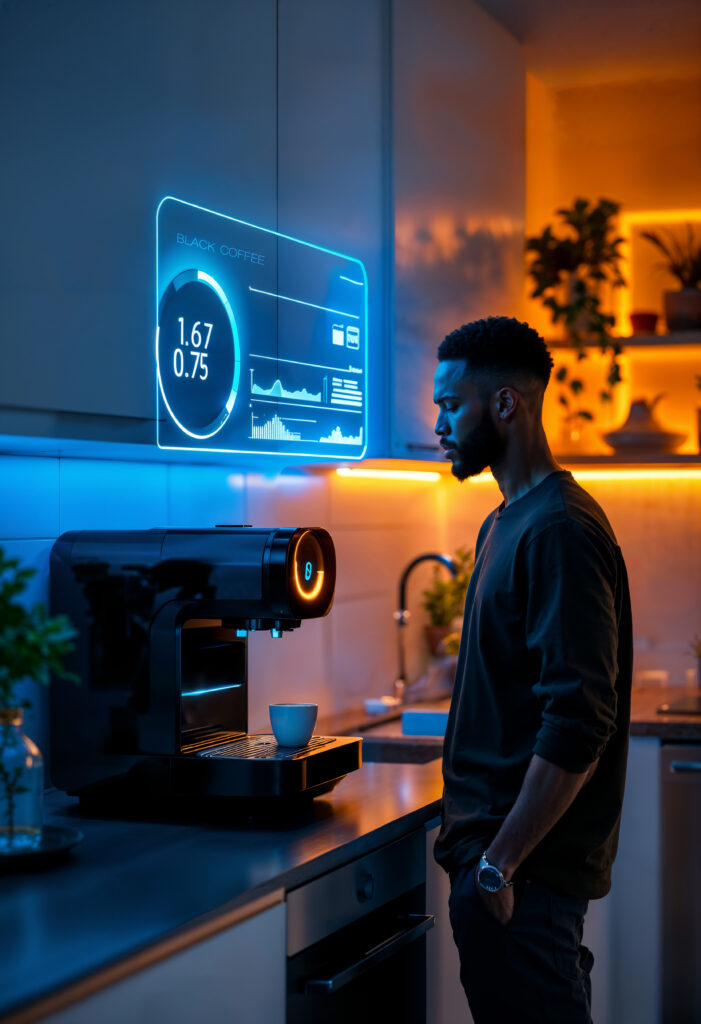
AI is taking home automation to the next level. Smart homes in 2026 will learn from your habits and make decisions without you having to ask. Predictive automation means your home prepares for your morning before your alarm goes off.
Smart city integration is also growing. Your home energy system will soon connect to the city grid, helping balance power loads and reduce environmental impact. The line between your home and the broader digital infrastructure is becoming thinner every year.
Final Thoughts
Smart home devices make everyday life more convenient, efficient, and secure. The technology has matured enough that setting up a smart home no longer requires technical expertise. Whether you start with a single smart speaker or build a fully automated system, every upgrade moves you toward a home that works for you.
The best time to invest in smart home technology is now, before prices rise and adoption becomes the norm rather than the advantage.
Frequently Asked Questions
What are smart home devices? A smart home device is a type of device that can connect to the Internet and automate a variety of functions in your home, such as lighting, heating and cooling, security management, etc. Smart home devices can connect over Wi-Fi, and they can be controlled with a smartphone application (app) or a voice command. Smart home devices include smart speakers, smart thermostats and smart video cameras, among other types of devices.
What are examples of smart home devices? Popular examples of smart home devices include Amazon Echo, Google Nest Hub, Philips Hue smart lighting, Ring video doorbell and smart thermostats such as Google Nest. These smart home devices can cover a broad range of functions, including entertainment, lighting, security and electricity cost savings.
Are smart home devices safe? When properly installed and maintained, smart home devices can be very secure. Protect your home network by using a strong password for your Wi-Fi network, enabling two-factor authentication and using the latest device firmware version (up to date). There is also a lower threat of security breaches or attacks by sticking with established companies.
Do smart home devices save electricity? Smart home devices can save a significant amount of electricity, primarily through the use of smart thermostats, smart lighting and smart appliances. Smart thermostat devices are able to manage the heating and cooling of your home based on your routine. Smart lighting devices will automatically turn off when there is no one in the room. With these devices working together, you should see significant savings on your energy bill over time.
What is the best smart home system? The best smart home system for you will depend on what types of smart devices you currently have in your home and what you prefer. For example, Amazon Alexa is best if you want to use the largest number of different manufacturers, while Google Home is best if you use Android devices. Apple HomeKit is best if you want to maximize your privacy and are comfortable using Apple devices such as iPhones and MacBooks.